
The first voice a customer hears often decides how they feel about your business. You can invest in the best phone system available, but if calls are answered with a rushed “Yeah, hello?”, none of the technology matters. Good telephone etiquette is cheap, learnable and makes a measurable difference to how customers perceive you.
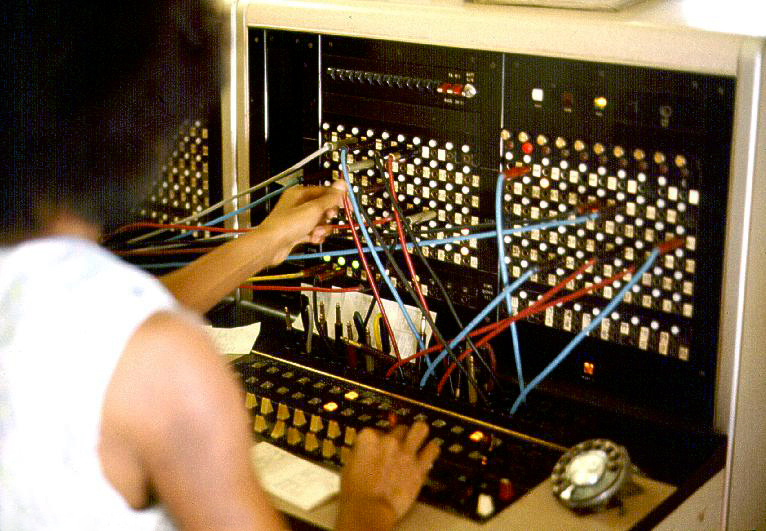
The habits below go back to the switchboard operators of the early 20th century (see our history of the telephone), updated for mobile apps, call queues and remote teams.
The essentials
- Answer within three rings with a clear, consistent greeting.
- Ask before placing someone on hold; never leave them there for long without checking back.
- Use warm transfers for anything important.
- Write down names and details, and always agree on the next step.
1. Answer promptly
Aim to answer within three rings. If your team cannot, that is a capacity problem, not an etiquette problem — consider ring groups, call queues with callback options or an answering service for overflow and after hours.
2. Use a consistent greeting
A good greeting has three parts: a friendly opener, the business name and your name, and an offer to help.
“Good morning, Norco Communications, this is Maria. How can I help you today?”
“Hi, this is Daniel in support. How can I help?”
Smile while you speak — it genuinely changes the tone of your voice — and slow down when you say the company name.
3. Get the caller’s name early and use it
“May I ask who’s calling?” followed by using their name once or twice in the conversation builds rapport. Write it down; nothing undermines trust faster than asking again five minutes later.
4. Listen fully before answering
Let the caller finish. Take notes. Repeat the key point back: “So the phones in your second-floor office have no dial tone since this morning — is that right?” This prevents misunderstandings and shows you are paying attention.
5. Ask before placing someone on hold
“Would you mind if I put you on a brief hold while I check that for you? It should take about a minute.”
Wait for the answer. Check back at least every 30–60 seconds if it takes longer, and thank them for waiting when you return.
6. Use warm transfers
A blind transfer sends the call without introduction; a warm (attended) transfer means you speak to the colleague first. For anything beyond a simple routing request, use a warm transfer:
To colleague: “Hi Sam, I have Ms. Lee on the line. Her new desk phones won’t register since the office move. Can you take it?”
To caller: “Ms. Lee, I have Sam from our technical team on the line, who can help you with that. Thank you for your patience.”
Always tell the caller who they are being transferred to and give them a direct number in case the call drops.
7. Take complete messages
A useful message includes the caller’s full name, company, number (read it back), the reason for the call, urgency and a good time to call back. Modern phone systems can send messages and voicemails straight to email — use that rather than sticky notes.
8. Handling upset callers
- Let them finish. Interrupting escalates.
- Acknowledge the feeling: “I understand how frustrating it is when the phones are down.”
- Take ownership of the next step: “Here’s what I’m going to do right now…”
- Set expectations you can meet, and follow through.
- Know when to escalate to a manager — and do it with a warm transfer.
If a caller becomes abusive, it is acceptable to calmly say you will end the call and offer another channel.
9. Mind the background
Use a quality headset, mute when not speaking on conference calls, and avoid eating or typing loudly. For remote workers, a quiet space and a wired connection make a huge difference.
10. Closing the call
“Is there anything else I can help you with today? … Great. Thanks for calling, Ms. Lee, and have a good afternoon.”
Summarize any next steps and let the caller hang up first.
11. Professional voicemail greetings
“Hi, you’ve reached Maria Lopez at Norco Communications. I’m away from my desk right now. Please leave your name, number and a short message, and I’ll call you back by the end of the business day. If it’s urgent, press 0 to reach our front desk.”
Update greetings when you are on vacation, and check that the “press 0” option actually reaches a person.
12. Auto attendant best practices
- Keep the greeting short; put the most common option first.
- Offer no more than four or five options per menu.
- Always provide a way to reach a human.
- Mention your website for hours and common questions.
- Review menus every six months using call reports.
13. Respect privacy
Verify identity before discussing account details, never read full card numbers aloud and follow your company’s rules on call recording notices. If calls are recorded, tell callers at the start of the call.
14. Follow up
If you promised a callback, make it — even if only to say you are still working on it. Reliability is the most underrated part of etiquette.
15. Train, listen and improve
Role-play common scenarios, share recordings of great calls (with consent) and review call metrics such as missed calls and average hold time. Small adjustments add up quickly.
Team training checklist
Frequently asked questions
Should we say “Hello” or the company name first?
Both: a brief friendly opener followed immediately by the company name, so callers know they reached the right place.
Is it rude to use an auto attendant?
Not if it is short, clear and always offers a way to reach a person. A long or circular menu is what frustrates callers.
How long is too long on hold?
Check back at least every minute. If the wait will be long, offer a callback instead.
Never miss a call again
Our answering service plans give you trained receptionists who follow your scripts — 24/7.