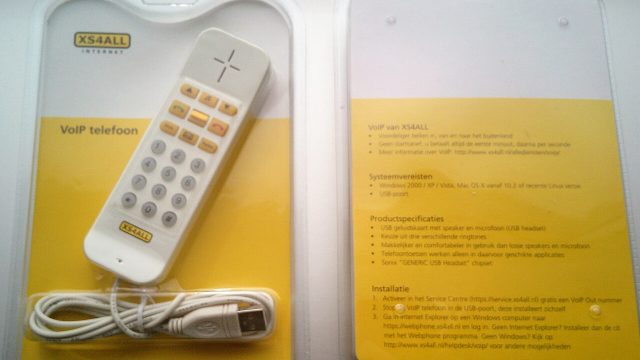
Business VoIP Phone System Setup
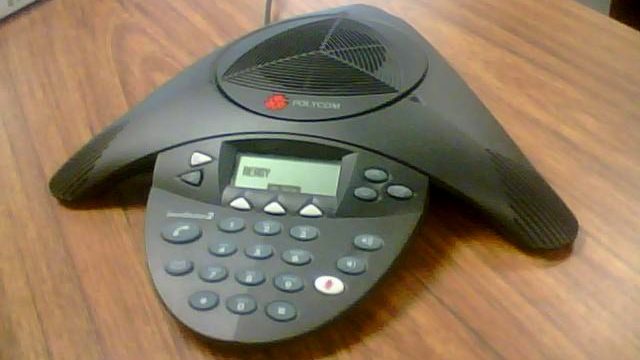
Design, configuration and go-live of a cloud or on-premise VoIP phone system — auto attendant, ring groups, voicemail-to-email and number porting included.
From $499 per site (up to 10 users)

Communication advice from a telephone enthusiast
Practical, vendor-neutral advice from a telephone enthusiast — plus hands-on help with business phone systems, answering services, cabling and security cameras.
From the first dial tone to the last camera angle — choose a package or ask for a custom quote.
Design, configuration and go-live of a cloud or on-premise VoIP phone system — auto attendant, ring groups, voicemail-to-email and number porting included.
From $499 per site (up to 10 users)
Phased installation of contact-center telephony with ACD queues, IVR, call recording, wallboards and supervisor tools — engineered to keep agents online while we work.
From $1,490 per 10-seat project
Live, professional call answering 24/7 with message taking, appointment scheduling and call patching — so you never miss a customer again.
From $129 per month
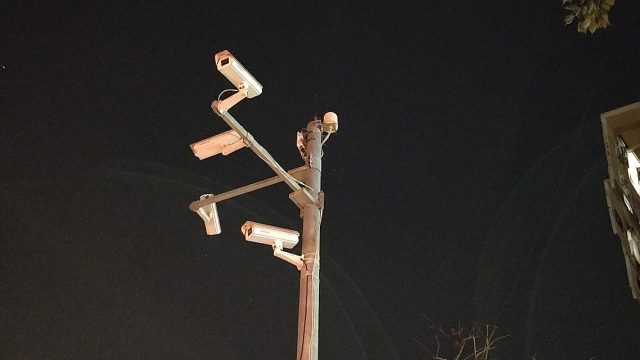
Professional placement and installation of IP security cameras with night vision, NVR recording and secure mobile viewing for homes and small businesses.
From $899 for a 4-camera package
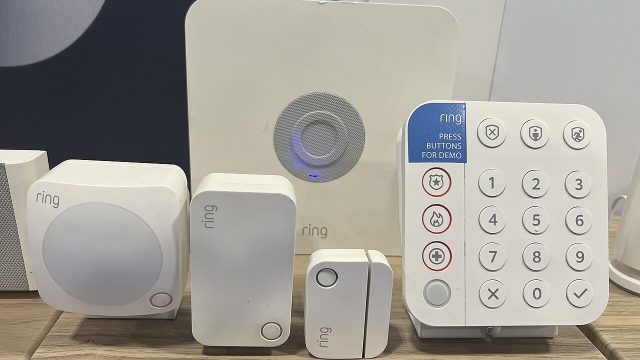
Door and window sensors, motion detectors and a smart alarm panel — installed and configured to protect your home and valuable collections.
From $349 for an installed starter kit
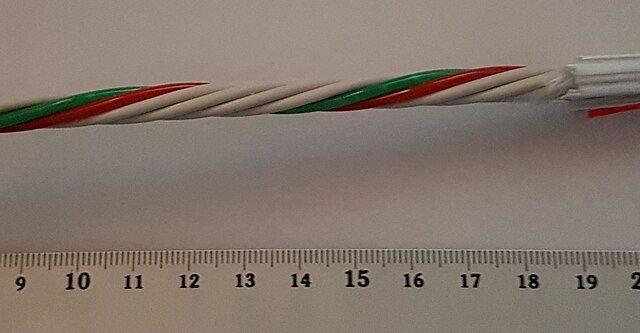
Cat6/Cat6A and fiber cabling installed to standard, labeled, tested and certified — the reliable foundation for voice, data, Wi-Fi and cameras.
From $149 per certified drop
A free discovery call to map how calls, people and property flow today.
A written plan with call flows, camera positions or cable runs — and a fixed quote.
Phased, tested installation that keeps your business running.
Training, documentation and ongoing help when you need it.
Vendor-neutral guides on phones, networks and security.
Greeting scripts, hold and transfer rules, handling difficult callers and professional voicemail greetings — a complete phone etiquette playbook.
Read articleCarriers across the U.S. are discontinuing copper phone service. Here is what the landline sunset means for your business lines and life-safety…
Read articleWhy legitimate business calls get flagged as spam, how STIR/SHAKEN attestation works and eight practical steps to keep your outbound calls trusted.
Read articleWhat Unified Communications as a Service really costs, how to evaluate providers and a 30-60-90 day plan to migrate without disrupting your…
Read articleEverything to weigh before buying security cameras: connection type, resolution, lenses, night vision, storage, cybersecurity and privacy.
Read articleCat6 or Cat6A? When to use fiber? How cabling should be labeled, tested and documented — a practical guide for offices.
Read articleA traditional landline carries your voice over a dedicated copper circuit from the phone company. VoIP (Voice over Internet Protocol) converts your voice into data packets and sends them over your internet connection. VoIP is usually cheaper, easier to scale and richer in features (mobile apps, voicemail-to-email, auto attendants), while a landline does not depend on your internet service. Our guide VoIP vs. Landline compares them in detail.
A typical VoIP call using the G.711 codec needs roughly 85–100 kbps in each direction; compressed codecs such as G.729 or Opus need less. Bandwidth is rarely the real issue — latency, jitter and packet loss matter more. As a rule of thumb, aim for under 150 ms one-way latency, under 30 ms jitter and under 1% packet loss.
In most cases, yes. In the United States, number portability rules let you move a number to a new provider. You will need a recent bill, the account number and PIN, and the exact service address on file with your current carrier. Do not cancel your old service before the port completes.
They are U.S. federal rules for multi-line telephone systems. Kari's Law requires that users can dial 911 directly without a prefix (such as 9) and that the system notifies a central location when 911 is dialed. RAY BAUM'S Act requires that a "dispatchable location" — such as the street address plus floor or room — is sent with 911 calls. We configure both during every installation.
An answering service makes sure every call is answered by a person, even after hours or during busy periods. It avoids the cost of hiring a full-time receptionist, protects your professional image and lets your team concentrate on their work. Many services also book appointments and report on call trends.
Start with the front door, back door and any ground-floor windows hidden from the street. Mount cameras high enough to be out of easy reach, consider night-time lighting and be realistic about each camera's field of view. Avoid pointing cameras into neighbors' windows or private spaces.
Norco Communications started in 2017 as a small blog with a simple mission: share practical, honest communication advice from a telephone enthusiast. Our early articles covered everything from protecting a comic book collection to placing surveillance cameras and installing call-center phone systems.
Today we publish in-depth, vendor-neutral guides on business phone systems, VoIP and cloud communications, answering services and call centers, networking and cabling and home and business security — and we help readers put that advice into practice through our services.
Tell us what you need and get honest, vendor-neutral advice and a clear quote within one business day.